


36 Ways to Celebrate the ADA's 36th Anniversary: A Comprehensive Guide to Accessibility, Inclusion, and Action

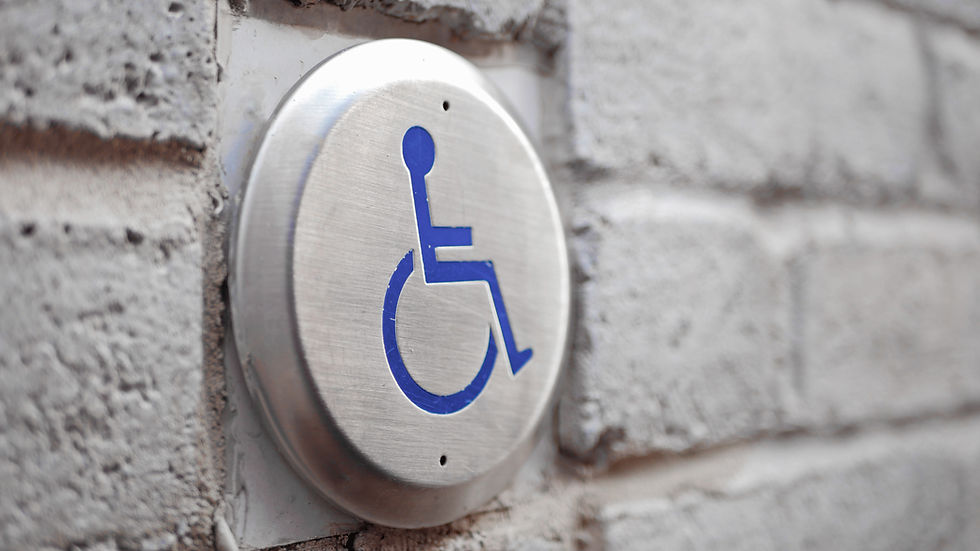
It’s time for our annual list of amazing things to do to celebrate and recognize the Anniversary of the Americans with Disabilities Act (ADA).
Before we dive into the list, it’s worth pausing to ground everyone in what the ADA actually is — especially for those newer to accessibility and inclusion. The Americans with Disabilities Act is one of the most significant civil rights laws for people with disabilities. It ensures access to public places like shopping centers, banks, office buildings, and schools, and it also requires accessible public transportation. The ADA has transformed how we design and navigate our cities, making them more inclusive for everyone — though there is still important work ahead.
Access for people with disabilities is critical because having access to buildings, transportation and public spaces ensures employment opportunities are available for the 61 million Americans with disabilities. To learn more, or to take a deeper dive into the ADA visit Introduction to the Americans with Disabilities Act | ADA.gov
Now, let’s get into it.
Similar to previous years, this year’s list is structured into three key categories –
Just Getting Started, Teach Me Something, and Give Me a Challenge – each category has 12 items making up this year’s list of 36 things to celebrate the anniversary of the Americans with Disabilities Act.
We recommend you pick two items from each category. And set out to accomplish all 6 items by the end of 2026! Many items can be accomplished this month, others will have a bigger commitment, especially for those looking for a challenge.
Just Getting Started: Approachable, practical actions for individuals or teams.
Read a short overview of the ADA: Become familiar with the five titles (Employment, State & Local Government, Public Accommodations, Telecommunications, and the “everything else” category) under the ADA
Make a Social Media Post: Post on your personal or company page celebrating the anniversary. Make something in Canva, use items from the ADA anniversary toolkit at www.adaanniversary.org
Read a book on Accessibility & Inclusion: We love "Being Heumann: An Unrepentant Memoir of a Disability Rights Activist" by Judy Heumann. Judy was known as the mother of the disability rights movement.
Participate in an Accessibility Webinar: Participate in a disability inclusion webinar or take a class on LinkedIn Learning to get an overview of business trends in disability inclusion to begin framing your ideas on how you can incorporate disability inclusion into your organization.
Learn Key Terms: They often get used interchangeably – but learn the differences between accessibility, and disability inclusion? What is reasonable accommodation? Etc. Be able to provide examples of each and how they work together. (Hint: Our blogs can be helpful here!)
Join Your Disability Resource Group: Identify key events (ideally quarterly) where you recognize and educate employees about disability, employment and inclusion. Hear directly from your colleagues and learn about new accommodation and accessibility programs.
Know Where to Go: Identify key disability resources at your company. Search the website, the intranet? Do you know how the accommodations process works at your company? Who are the key contacts? What is the hiring process like for people with disabilities?
Educate Others: All month, put an accessibility note, tip or resource in your email signature. Help raise awareness for others. Microsoft has some great tools and resources to share. Check it out at www.microsoft.com/accessibility
Caption Your Videos: As you upload your latest vlog – be sure you add captions to every video this month (and every month)!
Support a Local/Small Disability Owned Business: Even as we celebrate the 36th anniversary of the ADA, accessibility and inclusion practices are under attack. From threats to the ADA itself, to Medicare and Medicaid, special education, and
accommodations. Learn about the issues and lend your voice to preserving the rights of people with disabilities. Contact your legislatures using 5calls.org.
Attend an ADA Event: Whether in person or online – join a celebration event. Hear from leaders and advocates on why the ADA is so important and what we must continue to do to preserve it.
Ask About Access Needs: At every meeting this month ask about access needs or automatically provide them. Add captions to your virtual calls, provide an AI notetaker so everyone stays focused on the discussion. Ask others if there is anything they need to make the call or meeting more productive.
Teach Me Something: For teams and leaders ready to deepen their understanding and build their capabilities and confidence.
Host A Digital Accessibility Basics Workshop: Hold a workshop to cover the basics of digital accessibility – things like color contrast, alt text, captions on videos, accessibility features on your computer, and what everyone should know how to do.
SHRM’s Disability Certificate Program: Take the Society of Human Resource Management (SHRM) Employing Abilities at Work Certificate. A FREE seven module course covering the employment lifecycle, and best practices for including people with disabilities at each stage. The training is geared to HR professionals and participants will receive continuing education credits for their HR certification.
Attend Your Company’s Next ERG/BRG Meeting: Attend your company’s next ERG/BRG meeting/event and see how you can get involved and support the needs of your co-workers with disabilities.
Watch a Movie with Disabled Characters & Themes: A few good options I like are Marlee Matlin: Not Alone Anymore, Crip Camp, or Deaf President Now. A quick search will help you find several others.
Practice Receiving Disability Disclosure: Let’s admit it disability conversations can be uncomfortable. Check out this article on the Do’s and Don’ts of disability disclosure. https://bit.ly/442JRRG
Hire a Guest Speaker: Educate your team on access, and belonging. Two speakers we love are – Dustin Gianelli who speaks on breaking barriers in our workplaces – you can reach him at www.hearsdustin.com or Ruth Rathblott, an author/speaker focusing on unhiding. Contact at www.ruthrathblott.com
Watch Drunk History: Comedy Central has “historians” discuss historical events while having a few cocktails. Episodes are only eight minutes. There is an episode on Section 504, the legislation that paved the way for the ADA. It features disability rights activist Judy Heumann. Disclaimer: The episode has colorful language, so it’s likely better suited as homework vs. a team viewing party.
Map Your Company’s Inclusion Timeline: When did your company begin to focus on access and inclusion? Where did they start? What key milestones has the organization achieved? What is on the agenda for the next 12-18 months?
Rate Businesses for Their Accessibility: Check out the app www.wheelchariot.io that lets you rate a business’s accessibility – from entrances, to restrooms, to signage and materials in alternative format. Help others know about accessibility before going to a business, restaurant, bank or wherever!
Make A List of All Accessibility Features You Use Daily: Automatic doors at the grocery store? Captions on movies? Ramps for your stroller or shopping cart? Count up how many times you used an accessibility feature design for a person with a disability. Remember accessibility is necessary for some but benefits everyone.
Make a List of Accessible Restaurants, Hotels and Venues Near Your Office/Home: Ensure there are no surprises when going out. Even a 1-inch step can make something inaccessible. Providing a list of accessible venues near your home or office provide valuable resources for visiting customers, clients and pcandidates. This should also include accessible transportation.
Learn About One Accessibility Topic: Learn about an accessibility topic that can help you, a family member or friend. Example: Learn about why people with disabilities are the early adopters of new technologies? Or how people with disabilities are leading the way in AI use, or learn how to make documents accessible.
Give Me A Challenge: For organizations ready to stretch, innovate, and lead.
Survey Your Disabled Employees: Obtain feedback on your accessibility and inclusion policies, programs and procedures: Take the award winning Amplify Survey that asks employees with disabilities about their workplace experiences. Learn what they think about accommodations, self-id, disclosure, leadership, resources and more. For more info contact meg@globaldisabilityinclusion.com for more information about the survey.
Conduct An Accessibility Audit: Have an expert review your accessibility policies, programs and procedures – as well as your digital accessibility and physical accessibility. This will give you a solid plan of action to fix areas where you may have gaps. Contact us to get started! (oh, and we can help with this too!)
Create a Accessibility Suggestion Box: Allow a place for anonymous accessibility suggestions. The box can be present at ERG meetings and members can offer suggestions to the company. ERG leadership can then review and bring the five most suggested items to HR and assist with an action plan to address any access or inclusion needs.
Create A Wellness Room: It’s no longer just for moms. Companies are investing in “Wellness Rooms” – rooms where employees can take up to 30 minutes to address their wellness needs. Rooms are used for taking medication, or to sit quietly when a headache comes on, or even a place to meditate and check your mental health during a stressful day.
Improve Customer Service Training for those with Disabilities: Most businesses provide some type of product or service. People with disabilities have $13 Trillion in discretionary spending. So, ensuring your customer service team knows how to interact with people with varying disabilities is critical. Do they know how to interact with someone who is blind, deaf, uses a wheelchair, or someone who is Neurodivergent? If the answer is no, get them trained, quickly.
Leaders Talk: Celebrities often share their disability stories to help educate others about disability, discuss access needs and eliminate stigma. We need more business leaders coming forward and discussing disability in the workplace to help normalize disability inclusion and accommodations at work.
Disability Mentoring: It is a common for new or junior employee to seek out mentors to help them with career navigation and professional development. Identify leaders who are willing to share their disability and work journeys and become a mentor to new or existing employees with a disability.
Know Your Responsibility: Often people believe access and inclusion is an IT or Facilities management issue. But everyone has a role to play in accessibility. Set clear expectations for internal and external documents on accessibility – educate your team on the basics – making PowerPoints accessible, or how to make a PDF accessible. Who will be in charge of implementing accessible meeting standards? Set clear expectations and give your team members responsibility for executing inclusive practices. Give your team members a role to play in accessibility for the rest of the year.
Conduct A Disability Self-ID & Disclosure Campaign: Self-Id & Disclosure campaigns are a great way to have disability inclusion conversations. Run a campaign to encourage employees to share disability status and be prepared to share how your company will support them.
Review & Update Your Remote Work Policies: Most organizations have flexible or hybrid work arrangements. Review them and determine if there are any gaps. Work to update and address those by the end of the year. Remember what’s good for people with disabilities is good for everyone.
Publish An Annual Accessibility Report: This is a leadership flex. Outline what you’ve improved, what you’re still working on, and where you fell short — and make it public. It builds trust, signals seriousness, and creates accountability that actually drives progress. (Pro-Tip: It doesn’t have to be long — a one‑page summary counts. Don’t overcomplicate it.)
Host An Accessibility Hackathon: Don’t just listen - bring together employees, customers, or community partners to solve real accessibility barriers in your organization. Spend 4-8 hours with the working group and work on solving the problem. If you can’t solve it – advance it 2-3 levels that will make it better and create the larger plan for solving it.
That's it, 36 amazing ideas for getting smarter on accessibility while recognizing the impact of the Anniversary of the ADA. Two items from each category will get you well on your way to being more informed about accessibility and inclusion.
If you would like to discuss your ideas or need help crafting an event, reach out for a free 30-minute consultation.


I liked that the guide treats accessibility as something that can be included in everyday actions rather than limiting it to one annual event. The range of ideas, from reviewing digital content to thinking about physical spaces and communication, shows how many small details can affect whether people feel included. The suggestion to involve disabled people directly in accessibility conversations also stood out to me, since assumptions can easily lead to solutions that don’t actually address what people need. It made me think about how often accessibility is considered only after a problem appears. Even when juggling something like Help with Last minute Assignment, making spaces easier for everyone is worth keeping in mind.
The point about accessibility features like automatic doors, captions, and ramps benefiting everyone, not only people with disabilities, was the one that stayed with me. I liked that this idea appears alongside more specific actions such as mapping an organisation’s inclusion timeline, because it shows how accessibility can be both an everyday experience and a longer-term cultural issue. It also made me think about how students encounter accessibility in classrooms, online learning, and coursework, sometimes while juggling resources such as Best Finance Assignment Writing Service. I wonder how many everyday features people only notice once they actually have to rely on them themselves.
This is a thoughtful and practical guide to accessibility and inclusion. I especially like how the 36 ideas encourage people and organisations to take meaningful action rather than simply recognise the ADA anniversary. Resources like this are also helpful for students researching inclusion and disability-related topics, while reliable Essay Help online can support them in presenting their ideas clearly.
I enjoyed reading this post because it shares many practical ways to celebrate accessibility and reminds us why inclusion matters every day. It reminded me of a school event where we learned about making spaces more welcoming for everyone, and it changed how I think about accessibility. During that busy semester, I also used BTEC Assignment Writing Help while managing my coursework. It made me realize that small actions can help create a more inclusive community.